 We have Answers :-
08045816014 We have Answers :-
08045816014
We have Answers :-
08045816014 We have Answers :-
08045816014


 Send Inquiry
Stainless Steel Eye Bolts
Price 10 INR/ Piece
MOQ : 200 Kilograms
Stainless Steel Eye Bolts Specification
- Heat Treatment
- Solution Annealed / As per requirement
- Diameter
- 6 mm to 36 mm
- Surface Treatment
- Painted
- Thickness
- Customizable as per requirement
- Head Type
- Eye Head (Forged / Welded)
- Dimension (L*W*H)
- Standard & customized sizes available
- Thread Type
- Metric / UNC / UNF
- Length
- 30 mm to 200 mm
- Usage
- For Industrial Use
- Standard
- DIN 580 / DIN 582 / IS Standards
- Product Type
- Eye Bolts
- Grade
- Industrail Grade
- Color
- Silver
- Use
- Lifting, Anchoring, Fastening applications
- Tensile Strength
- Upto 800 N/mm2 depending on grade
- Thread Diameter
- M6 to M36
- Application Environment
- Indoor & Outdoor, Marine, Industrial
- Operating Temperature
- -40C to 400C
- Load Capacity
- Varies by size and standard, up to several tonnes
- Finish
- Bright, Matte, or Mirror Finish
- Corrosion Resistance
- Excellent
- Installation Type
- Screw-in or Bolt-on
- Material
- Stainless Steel
Stainless Steel Eye Bolts Trade Information
- Minimum Order Quantity
- 200 Kilograms
- Payment Terms
- Cash in Advance (CID)
- Supply Ability
- 20000 Kilograms Per Day
- Delivery Time
- 5 Week
- Main Export Market(s)
- Western Europe, Eastern Europe, Middle East, Central America, South America, Asia, North America, Australia, Africa
- Main Domestic Market
- All India
About Stainless Steel Eye Bolts
Eye bolts can be used as a connection point for rigging, anchoring, pulling, pushing, or hoisting applications. Although eye bolts are commonly used in industrial applications, they're also commonly misunderstood or used incorrectly.Optimal Corrosion Resistance for Demanding Environments
Engineered with high-grade stainless steel, these eye bolts resist corrosion exceptionally well, even in saline or industrial atmospheres. Available finishes such as bright, matte, or mirror further enhance their resistance and aesthetic appeal, ensuring longevity and reliability in both marine and industrial sectors.
Versatile Design for Wide-Ranging Applications
With metric, UNC, and UNF thread options and customizable dimensions, these eye bolts are suitable for lifting, anchoring, and fastening. They comply with DIN 580, DIN 582, and IS Standards, allowing use in standard or highly specialized applications. Choose from forged or welded eye heads for added strength and tailored solutions.
FAQ's of Stainless Steel Eye Bolts:
Q: How are Stainless Steel Eye Bolts installed?
A: Stainless Steel Eye Bolts can be installed via screw-in or bolt-on methods, depending on the thread type and mounting surface. Ensure the chosen bolt fits the application's load and threading requirements for maximum safety and performance.Q: What environments are these eye bolts suitable for?
A: Due to their excellent corrosion resistance and high tensile strength, these eye bolts are ideal for both indoor and outdoor environments, including marine, industrial, and construction sites exposed to harsh weather or chemicals.Q: When should I choose a forged eye head over a welded one?
A: A forged eye head provides superior strength for demanding lifting applications and dynamic loads, while welded heads work well in less critical anchoring or fastening conditions. Consider the nature and safety level of your application before selecting.Q: Where can these eye bolts be used within an industrial setting?
A: They are widely used in lifting, hoisting, rigging, anchoring machinery, and structural fastening in factories, warehouses, shipyards, and marine platforms, offering versatility in multiple industrial tasks.Q: What is the benefit of the customizable dimensions and thread types?
A: Customizable size, thickness, and threading (Metric, UNC, or UNF) ensure compatibility with various standards and unique project specifications, allowing users to meet specific load, fit, and environmental demands efficiently.Q: What process is followed for their surface treatment and heat treatment?
A: Surface treatments may include painting or polishing to achieve the desired finish and enhance corrosion resistance. Heat treatment such as solution annealing is done for improved mechanical strength and durability, as per customer or application requirements.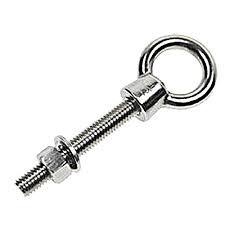
Tell us about your requirement

Price:
Quantity
Select Unit
- 50
- 100
- 200
- 250
- 500
- 1000+
Additional detail
Mobile number
Email

More Products in Eye Bolts Category
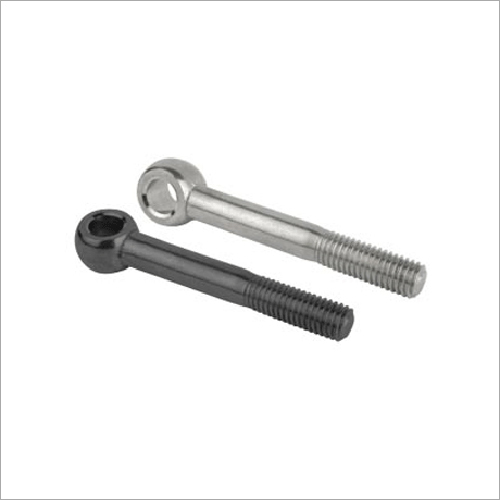
Gland Eye Bolt
Price 10 INR / Piece
Minimum Order Quantity : 200 Pieces
Grade : Industrail Grade
Usage : For Industrial Use
Surface Treatment : Painted
Color : Black & Silver
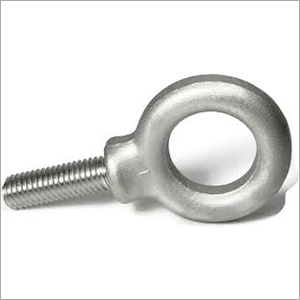
Lifting Eye Bolt
Price 10 INR / Piece
Minimum Order Quantity : 200 Units
Grade : Industrail Grade
Usage : For Industrial Use
Surface Treatment : Painted
Color : Silver
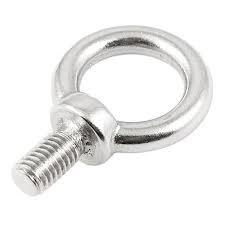
Eye Bolts
Price 150 INR / Kilograms
Minimum Order Quantity : 100 Kilograms
Grade : All grade
Usage : Industrial
Surface Treatment : zinc Plating
Color : Sliver
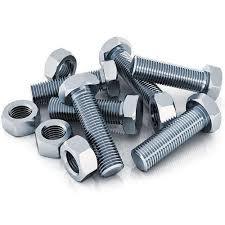
Stainless Steel Nut Bolt
Price 10 INR / Piece
Minimum Order Quantity : 200 Pieces
Grade : Industrail Grade
Usage : For Industrial Use
Surface Treatment : Painted
Color : Silver


Contact Details

- 86, Maplawadi, Love Lane, Mazgaon, Mumbai - 400010, Maharashtra, India
- Phone : 08045816014
MUBARAK FORGING WORKS
GST : 27AAJPQ6557H1Z6

- Mr. Sarfaraz Mubarak Qureshi (CEO)
- Mobile : 08045816014
-
 Send Inquiry
 Send Inquiry
 Send Inquiry
 Send SMS
 Call Me Free
MUBARAK FORGING WORKS
All Rights Reserved.(Terms of Use)
Developed and Managed by Infocom Network Private Limited.
Developed and Managed by Infocom Network Private Limited.


